How to File a Storm Damage Roof Insurance Claim in Texas
To file a Texas roof insurance claim: document the damage with dated photos, get a professional inspection, report the claim to your carrier promptly, meet the adjuster on-site with your contractor present, and don't sign anything with a door-knocker. Whether the claim is approved is always your carrier's decision — but prompt, well-documented claims with a knowledgeable roofer involved go far more smoothly than late or undocumented ones.
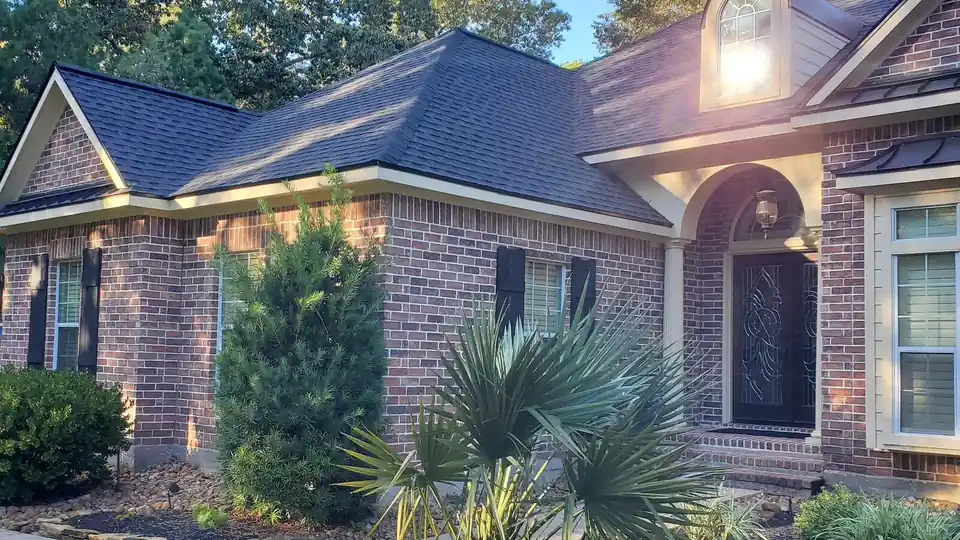
Triple G Roofing & Construction has helped Greater Houston homeowners — Kingwood, Baytown, La Porte, The Woodlands, Channelview and beyond — through hail, wind and hurricane claims since 1973, with more than 50 years of claims, claims-handling and adjuster experience behind us. This is the process that works.
Plain talk about coverage: no roofer can tell you your claim is covered, and you should be wary of one who does. Coverage depends on your policy, your deductible, the cause of damage and the adjuster's findings. What a good contractor does is make sure the damage is documented, explained and seen — and that is what this guide is about.
Step 1: Document before you touch anything
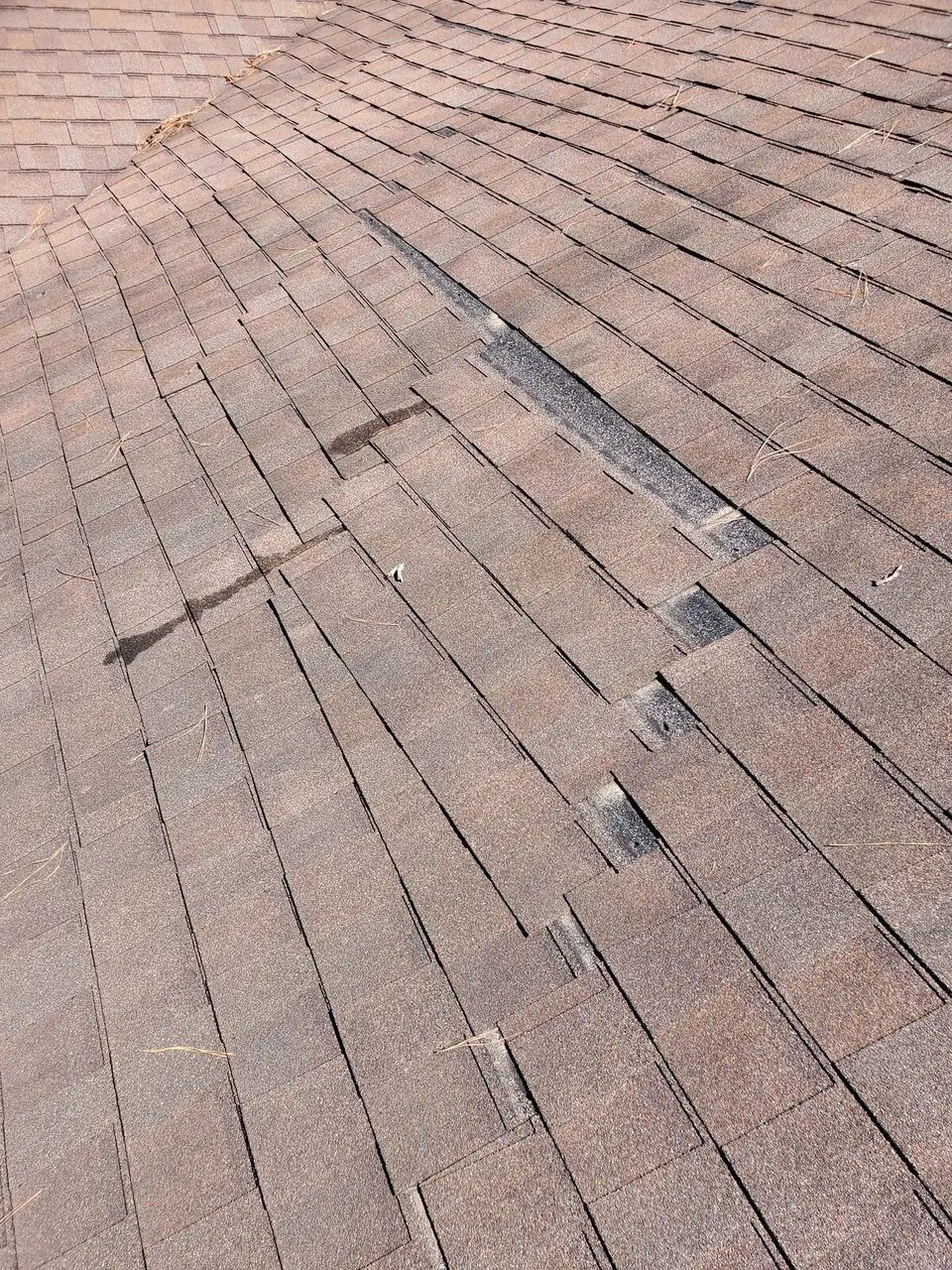
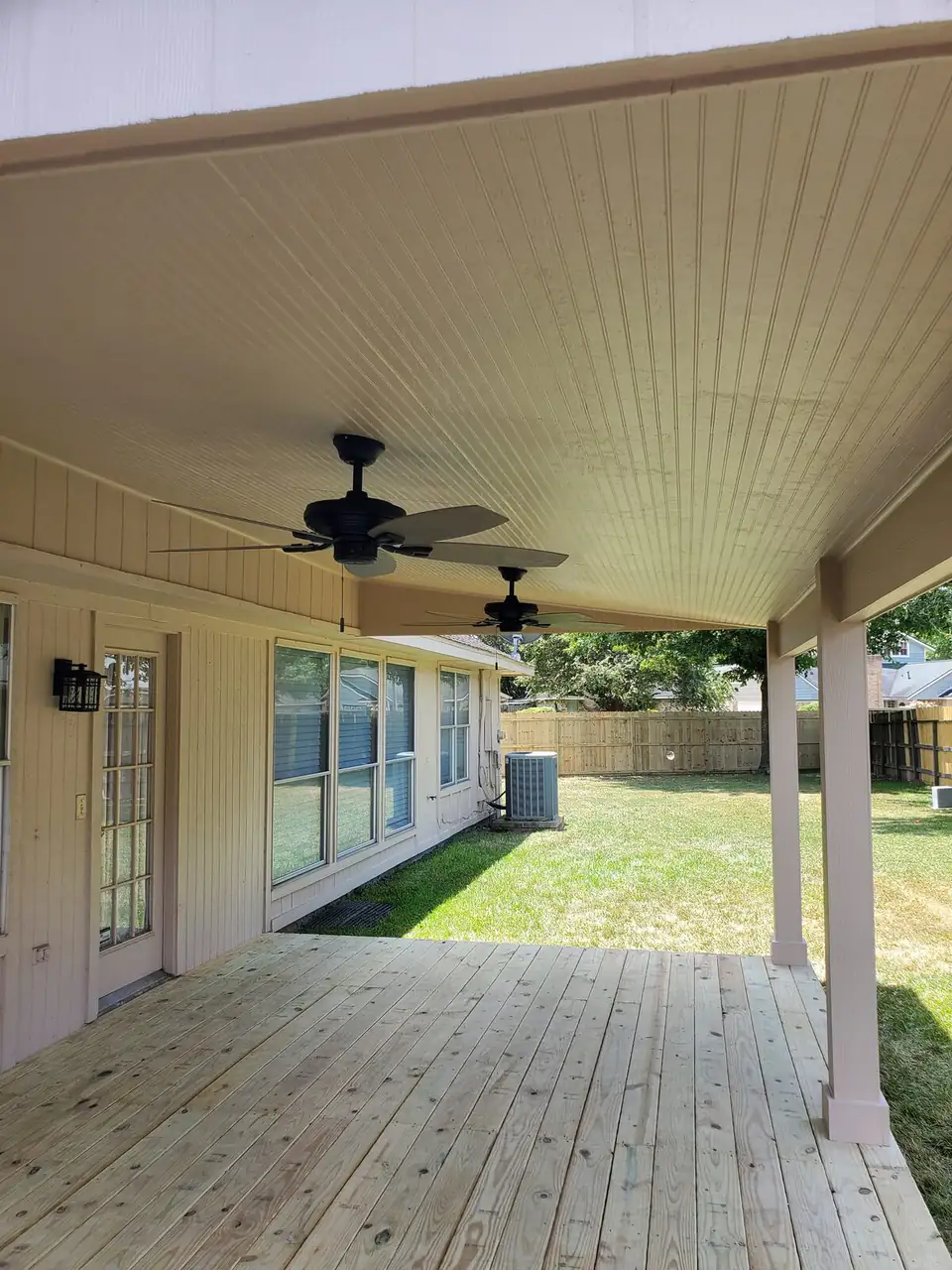
Photograph everything you can safely see the day of the storm: shingles in the yard, dented gutters and vents, damaged fences, screens and patio covers (they corroborate the storm's severity), and any interior ceiling stains. Date-stamped phone photos are fine. Then get a professional on the roof — a free Triple G inspection produces photos of every slope and a written record of what we found. Not sure what qualifies? Start with our hail damage identification guide.
Step 2: Report the claim promptly
Texas homeowner policies require “prompt” notice of a loss, and many set a hard filing deadline — read your policy or ask your agent for the exact language. Waiting months invites a harder look for delayed reporting and makes it easier to argue the damage is just age. Report within days of discovering damage, reference the storm date, and note that a roofing contractor has inspected and photographed the roof. Write down your claim number and adjuster contact on that first call.
Step 3: Meet the adjuster with your contractor on-site
The adjuster's visit determines the scope of the claim. Have your roofer there. We meet adjusters on roofs across the Greater Houston area to walk the same slopes, point out damage that is easy to miss from a ladder, and compare their scope sheet against our inspection before it's finalized. Disagreements are far easier to resolve standing on the roof than after the paperwork closes. Because we've spent decades on the claims side as well as the roofing side, we speak the adjuster's language — and we translate it into plain English for you.
“Tim came out and handled the inspection at no charge, walked us through how to work with the insurance company, and left it with us to let him know when we were ready. Nothing pushy. Tim understood the insurance jargon and coverages and educated us on the process so it was seamless.” — Richard, Kingwood, TX
What mistakes weaken a claim?
- Waiting too long to report — the most common problem we see on the Gulf Coast
- No documentation — “the roof leaks” without photos gives the carrier nothing to evaluate
- Signing an assignment of benefits with a storm chaser — out-of-town door-knockers follow every hail event; signing on the spot can surrender control of your claim to a company you'll never see again
- Making permanent repairs before the adjuster visit — reasonable temporary protection to prevent further damage is expected (keep your receipts and ask your adjuster), but re-roofing first destroys the evidence
- Assuming the first scope is final — if the adjuster's estimate misses damage your contractor documented, a supplement can be requested; ask
What happens if the claim is approved?
On a typical replacement-cost policy, the carrier issues an initial payment based on actual cash value, you schedule the work, and recoverable depreciation is released once the job is complete and invoiced. Your out-of-pocket is generally your deductible — though the specifics depend on your policy, so read the settlement letter carefully and ask us to explain anything that isn't clear. If the approved scope is a full replacement, our Houston-area replacement cost guide explains what the line items on the estimate mean, and if it turns out to be a repair, repair vs. replacement covers where that line sits.
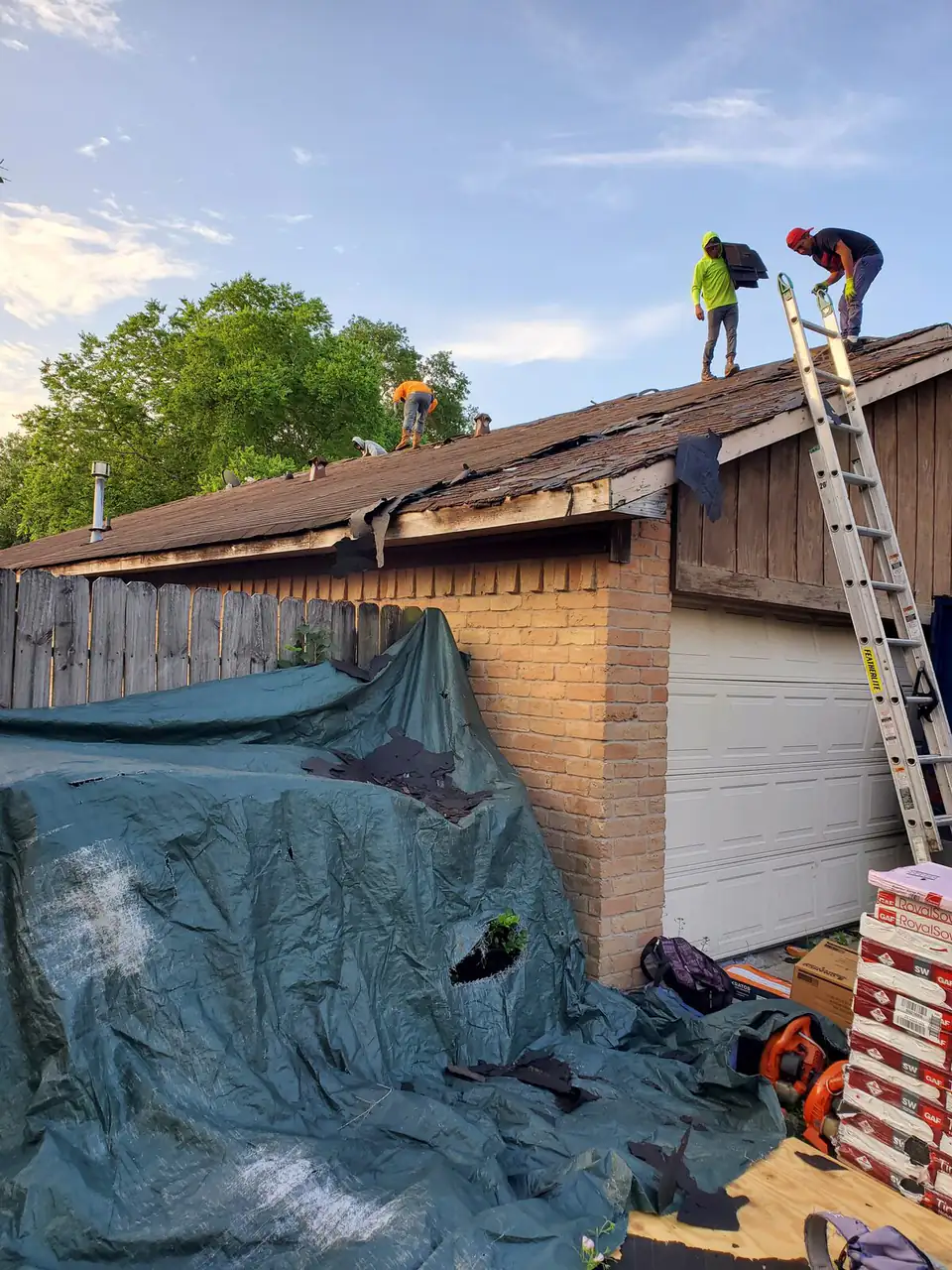
Triple G Roofing & Construction handles the storm damage repair or replacement itself — the owner is on every job — and walks you through the claim from beginning to end. After any storm, call (281) 570-3325 and we'll come take a look. Ask about temporary tarping if water is getting in.
Roof insurance claim FAQ
Will my homeowner's insurance cover a new roof after a storm?
That is always the carrier's decision, based on your specific policy, your deductible, the cause of the damage and what the adjuster finds. Nobody — including a roofer — can promise an outcome. What you control is documenting the damage promptly and thoroughly and having a knowledgeable contractor on the roof with the adjuster.
Should I call a roofer or my insurance company first?
Get a free inspection first if you can do so promptly. An inspection tells you whether there is real storm damage worth a claim against your deductible, and it gives you dated photos before you call. Just do not let the inspection delay your notice to the carrier — Texas policies require prompt reporting.
What does Triple G actually do during an insurance claim?
Triple G Roofing & Construction brings more than 50 years of claims, claims-handling and adjuster experience to the process. We inspect and photograph the damage, explain your policy in plain English, meet the adjuster on your roof, and help you through the process from beginning to end — while the coverage decision stays with your carrier.