Vinyl Siding vs. Hardie Board for Texas Homes
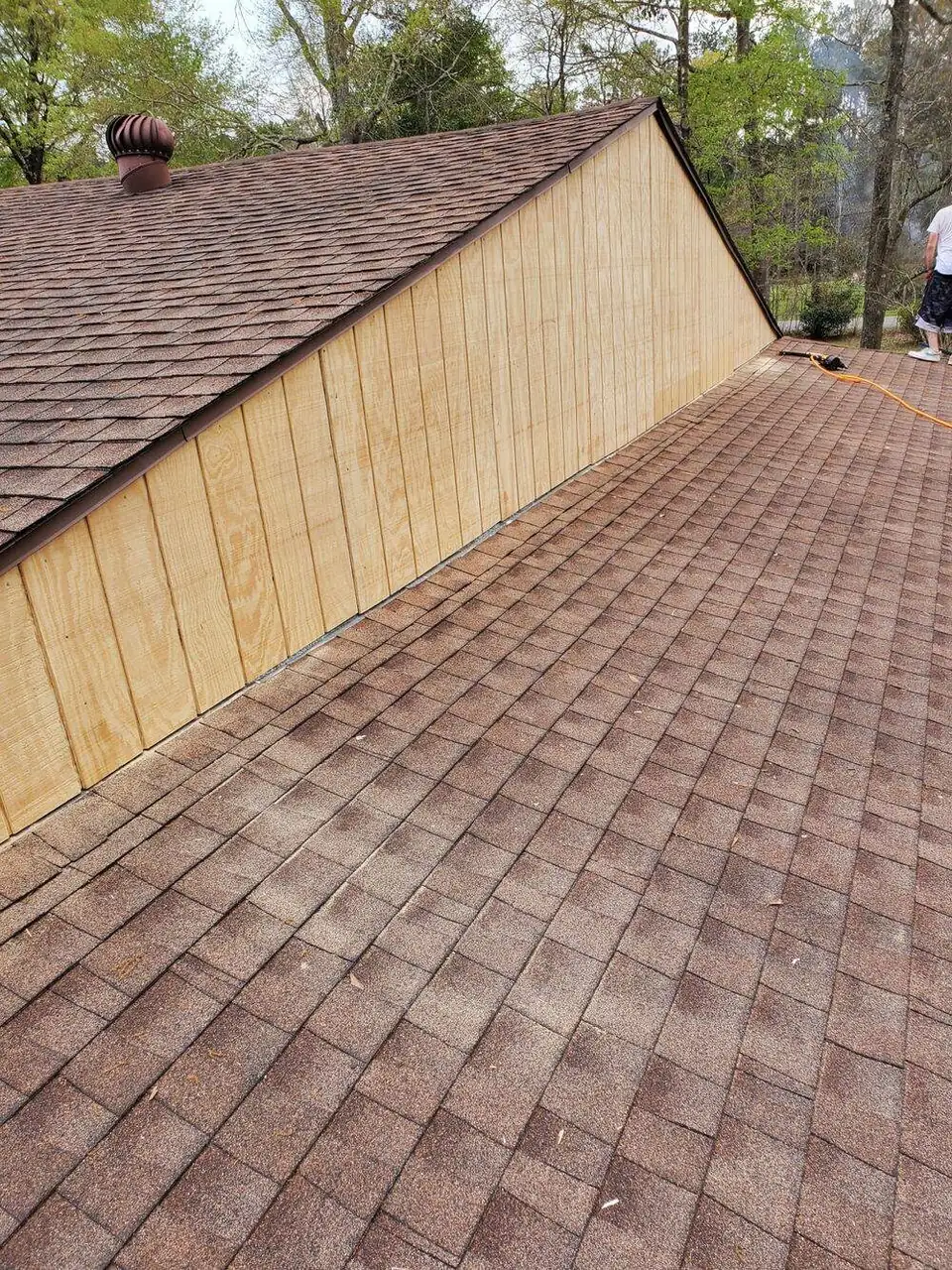
For the Gulf Coast climate around Houston, fiber cement (Hardie board) generally outlasts vinyl: it shrugs off hail that cracks vinyl panels, doesn't warp in 100°F summers, and holds paint for years — but it costs more installed. Vinyl remains the budget pick and has improved, but heat distortion and hail brittleness are real drawbacks here. Either way, installation quality matters more than the brand on the box.
Triple G Roofing & Construction has worked on home exteriors across the Greater Houston area since 1973 — Spring, Humble, Cypress, Jersey Village, Bellaire and dozens more — and siding condition is something we see up close on every roof job, including exactly where each material fails in this climate.
How do they handle Texas heat and humidity?
Heat is vinyl's weak point. Dark vinyl panels can distort on west-facing walls during long Texas summers, and sunlight reflected off a neighbor's energy-efficient windows can warp a panel outright. Fiber cement is dimensionally stable in heat and indifferent to humidity — though it must be properly primed and caulked at every cut edge to keep Gulf Coast moisture out of the board, which is an installation detail, not a material flaw.
What happens to each in a hailstorm?
The same storms that damage roofs here damage siding. Vinyl gets brittle with age and cracks or holes under significant hail — and matching a faded, discontinued vinyl profile for a spot repair is often impossible, forcing whole-wall replacement. Hardie board resists impact far better; damage is usually cosmetic and paintable. If a storm has hit both your roof and your siding, document everything together — our Texas insurance claim guide covers the process, and siding damage belongs in the same conversation with your adjuster. Start with how to spot hail damage if you're not sure what you're looking at.
How do cost and upkeep compare?
| Factor | Vinyl | Hardie / fiber cement |
|---|---|---|
| Installed cost | Lower | Higher — more material and labor |
| Painting | None; color is baked in and will fade | Repaint periodically; colors can change |
| Heat | Can warp on hot, sun-facing walls | Stable |
| Hail | Cracks as it ages | Mostly cosmetic damage |
| Spot repair | Hard to match older profiles | Patch and paint panel by panel |
| Service life | Shorter in this climate | Substantially longer |
Those are general comparisons, not a quote — every home's price depends on wall area, stories, trim, rot found behind the old siding, and paint. Triple G Roofing & Construction provides a free written estimate for either material through our siding, fascia & soffit service.
Why installation matters more than brand
Bad flashing, skipped house wrap and unsealed cut edges cause the rot we find behind both materials. Fascia and soffit are the usual first casualties because they sit where roof runoff lands — which is why we look at the gutters at the same time (gutter installation is often the fix that protects the new siding). Window re-sealing, wood-rot repair and exterior paint all belong in the same scope so the wall is finished once, properly.
“Tim completed sheetrock repair in my garage as well as siding repair on all sides of my home. He was very forthcoming in communication and set clear expectations regarding the project. Tim did a great job repairing and matching paint.” — Tiffany, Spring, TX
Which should a Houston-area homeowner choose?
If you plan to stay in the home and can carry the upfront cost, fiber cement is the better long-term buy in this climate. If budget rules, quality vinyl in a lighter color on a properly wrapped wall is a legitimate choice. And if your exterior project starts with storm damage, check the roof first — roof and siding claims travel together, and the roof is usually the bigger line item (see what drives a replacement quote here).
Planning siding alongside a roofing project? Call Triple G at (281) 570-3325 or reach out online — we'll look at the whole exterior while we're up there, starting with a free inspection. The owner is on every job.
Siding FAQ
Is Hardie board better than vinyl siding in Houston?
For durability in Gulf Coast heat, humidity and hail, fiber cement generally wins: it does not warp in summer heat, resists hail impact far better than aging vinyl, and holds paint for years. Vinyl costs less installed and needs no painting, which keeps it a legitimate budget choice on a properly wrapped wall.
Can you replace just the damaged siding instead of the whole wall?
Often, yes — especially with fiber cement, which can be patched panel by panel and painted to match. Older vinyl is harder: faded profiles are frequently discontinued, so a spot repair may not match and a whole-wall replacement becomes the cleaner fix. A free inspection settles which applies to your home.
Does Triple G do siding, or just roofs?
Both. Triple G Roofing & Construction has handled siding, fascia and soffit, wood-rot repair, window re-sealing and exterior paint alongside roofing across the Greater Houston area since 1973 — the yard signs say Roofing / Siding for a reason. One call covers the whole exterior.